Design Principles
Designing for Operational Clarity
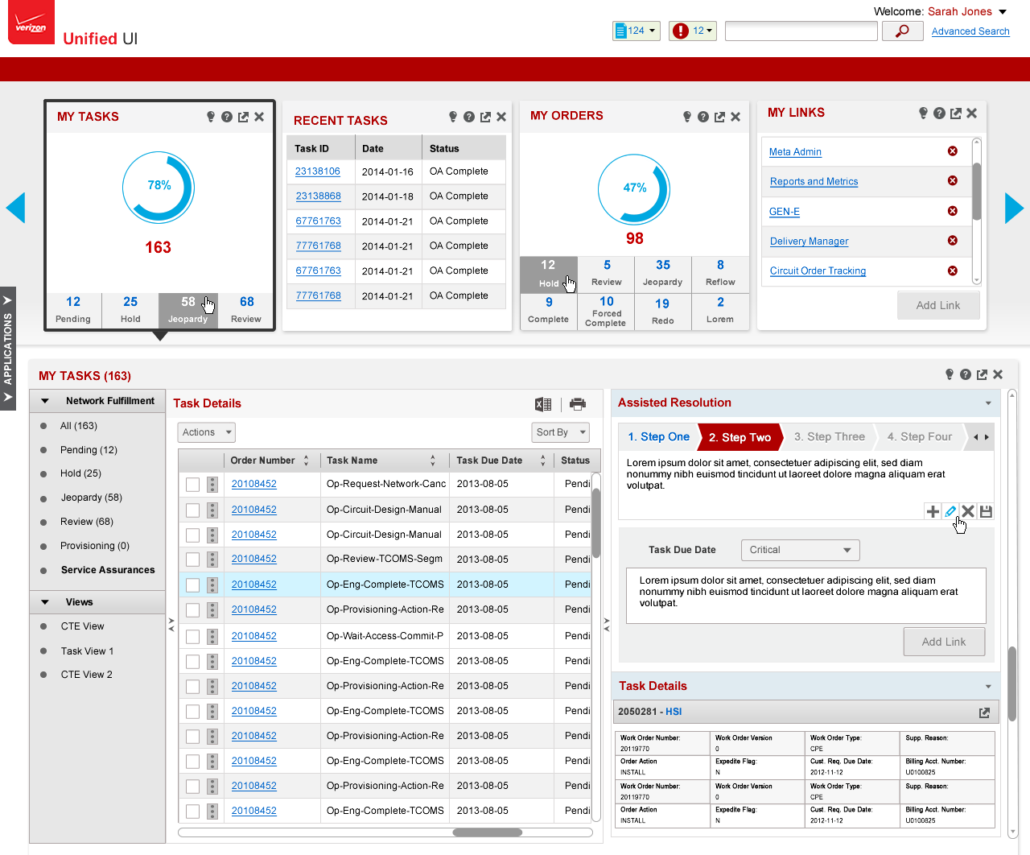
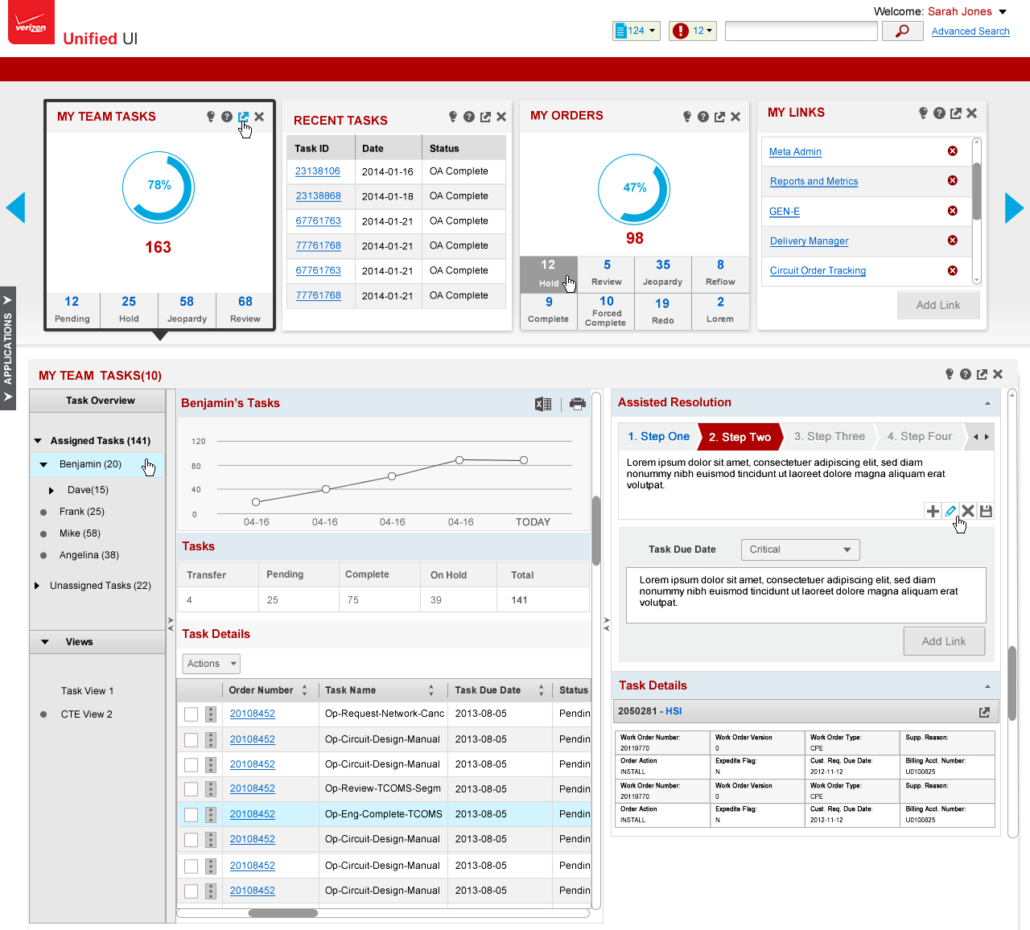
Rather than redesigning visuals first, the focus was on restructuring how order state and ownership were communicated.
The goal was to reduce interpretation and make the system status immediately understandable without requiring operational experience.
1. Status Before Detail
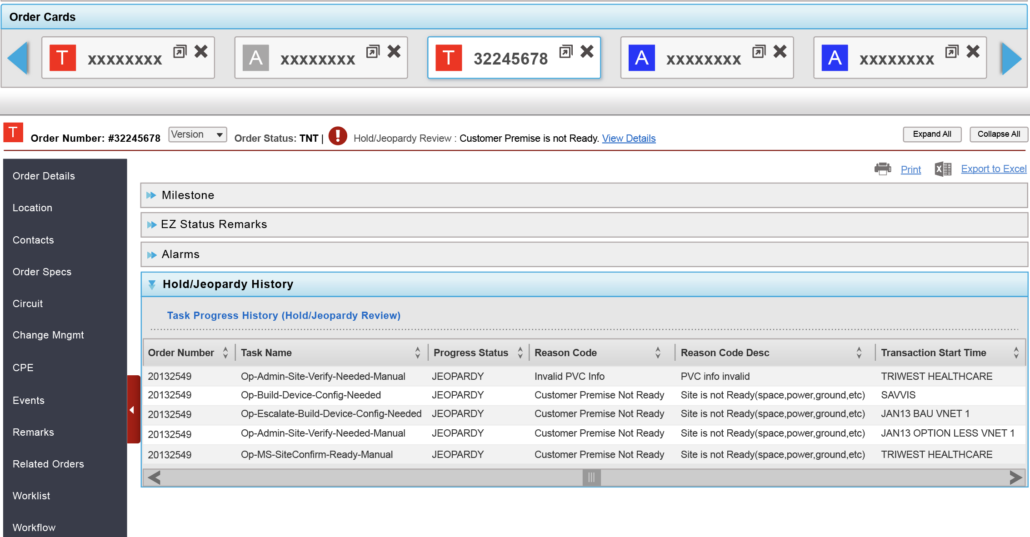
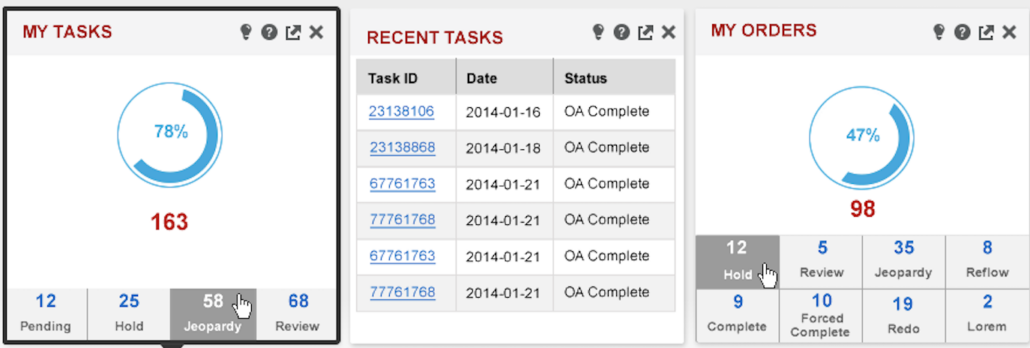
The primary order state is always visible without opening records.
2. Ownership Visibility
Each fallout indicates a responsible group or the next action.
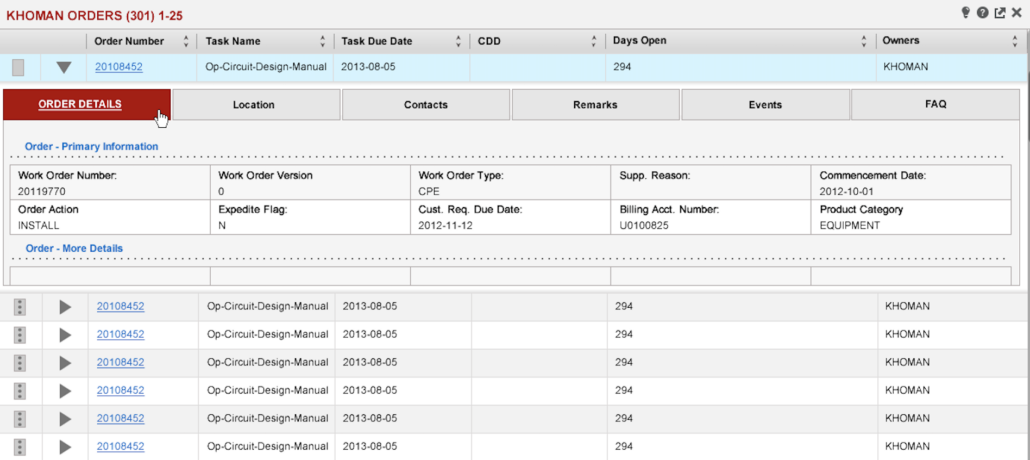
3. Progressive Disclosure
Complex data appears only when required for resolution.
4. Exception-Focused Workflow
Users work from problems first, not from full order data.
Design Translation
These principles guided the restructuring of the Order Manager from a data-inspection tool into a workflow-resolution interface.
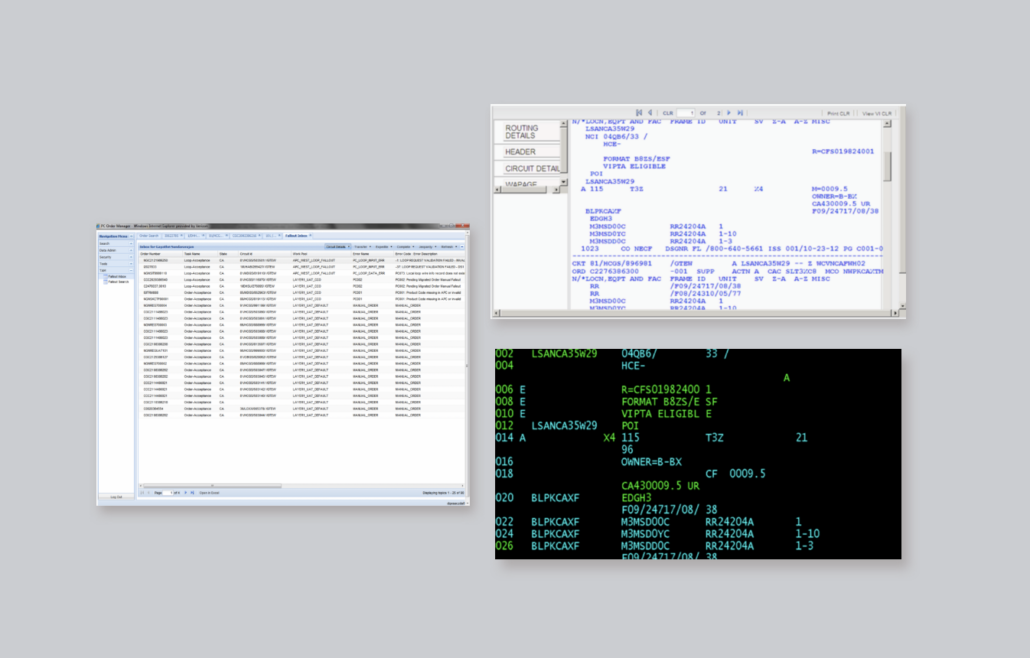
Legacy: Users searched → opened record → interpreted codes
New: Users immediately saw the fallout status and next action
Legacy: Ownership discovered through investigation
New: Ownership displayed as part of state
Legacy: Full data loaded first
New: Details revealed only when needed
These structural changes required visible interface adjustments that redefined how status, ownership, and detail were presented.